
Deepen Your Understanding
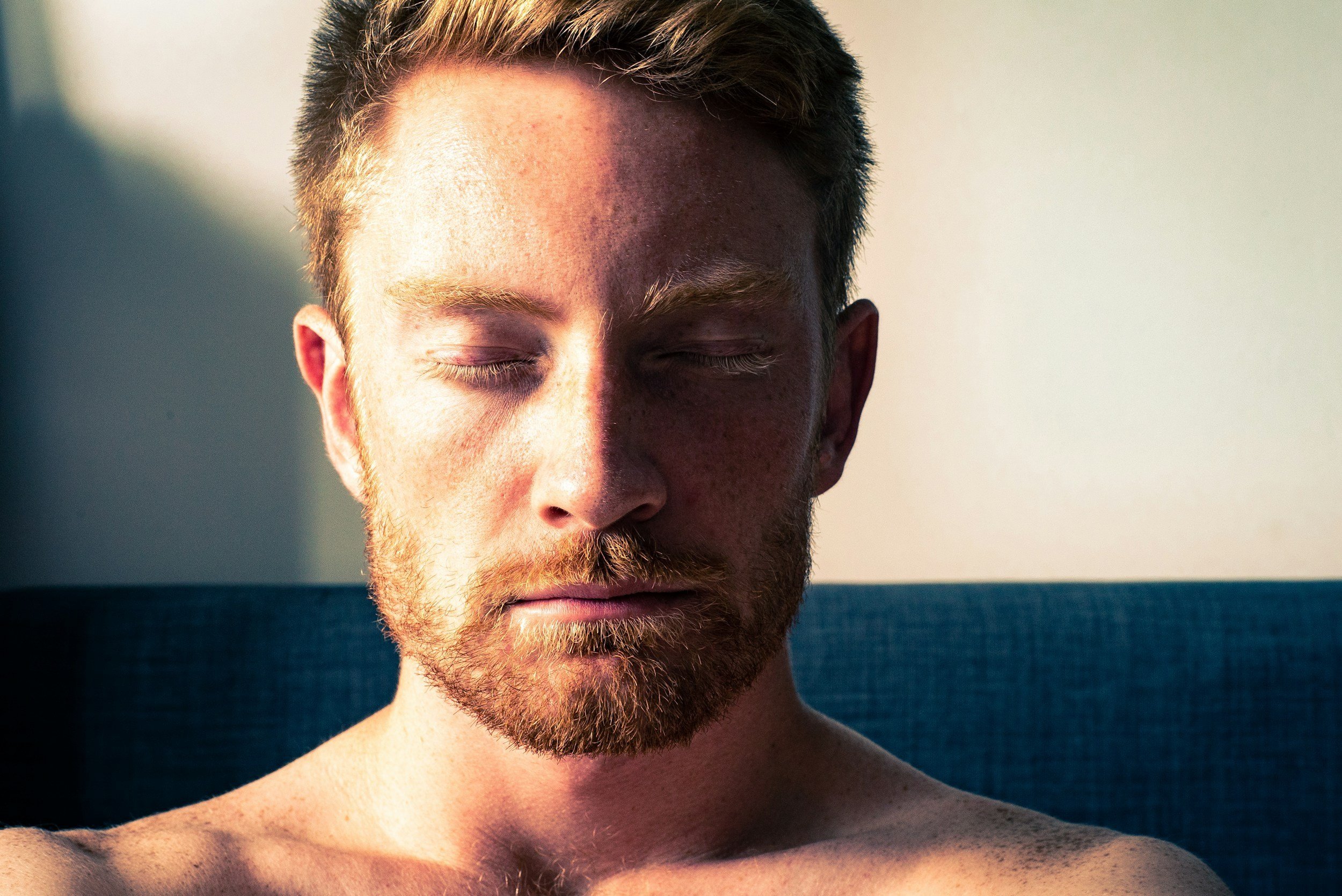
Everything is going great, yet you feel stuck or that something is missing. Together we can try to become aware of unconscious patterns that are stopping you from reaching your potential.
Manage Difficult Emotions

Fear, sadness, anger, and shame can affect our wellbeing and relationships. Together we can work on helping you befriend and learn from your emotions.
Improve Relationships

Whether it is romantic partners, family, friends, or co-workers, relationships are complex. We can work on improving your communication, and increasing connection and intimacy with others.
Areas of Specialty
Anxiety
Anxiety is the body's natural response to stress and uncertainty. It often shows up as worry, nervousness, or fear, along with physical signs such as a racing heart, muscle tension, restlessness, trouble sleeping, or difficulty concentrating. Some anxiety is a normal part of life, especially during major changes or uncertain times. When it becomes persistent, feels hard to control, or leads you to avoid situations, people, or responsibilities, it may be a sign of an anxiety disorder, such as generalized anxiety, social anxiety, or panic disorder. Anxiety often has more than one source, including stress, past experiences, health conditions, caffeine or other substances, and family history. Anxiety disorders are among the most common mental health conditions, and a licensed clinician can assess what you are experiencing.
Depression
Depression is more than feeling sad. It is a mood condition marked by a persistent low mood or loss of interest in things you once enjoyed, often with changes in sleep, appetite, energy, or concentration. It can also bring feelings of worthlessness or guilt, withdrawal from people and activities, and it may show up as irritability, emotional numbness, or exhaustion rather than sadness. Everyone has low periods. When these symptoms last two weeks or more and interfere with work, relationships, or daily routines, it may be a sign of a depressive disorder, such as major depression or persistent depressive disorder. Depression often has more than one source, including stress, loss, major life changes, health conditions, medications, and family history. Depression is common, and a licensed clinician can assess what you are experiencing.
Trauma and Adjustment
Trauma is an emotional response to an overwhelming or distressing experience, such as an accident, loss, abuse, violence, or a medical crisis. It can follow a single event or repeated experiences, and reactions vary widely. Common signs include intrusive memories, nightmares, feeling on edge, avoiding reminders, emotional numbness, or difficulty trusting others. Adjustment difficulties are related but different. They arise when a major life change, such as a job loss, move, divorce, illness, or the death of someone close, brings sadness, anxiety, irritability, or trouble sleeping that feels out of proportion or hard to manage. When these reactions persist or interfere with daily life, they may be signs of a condition such as post-traumatic stress disorder (PTSD) or adjustment disorder.
Relationship Difficulties
Every relationship goes through stress, and conflict alone does not mean something is wrong. Difficulties tend to build when the same arguments repeat without resolution, when partners withdraw or stop sharing what they feel, or when one person seeks closeness while the other pulls away. Other common signs include feeling more like roommates than partners, losing trust after a betrayal, or growing apart during a major transition. These patterns can affect mood, sleep, work, and self-esteem, and they can occur in family, friendship, and workplace relationships as well as romantic ones. When they continue for a long time or begin to affect daily life, a licensed clinician can help you understand what is happening.
Sex and Sexuality Concerns
Sexuality is an important part of well-being and relationships, and concerns about it are common. They can include differences in desire between partners, low desire, difficulty with arousal or orgasm, erectile difficulty, premature or delayed ejaculation, or pain during sex. They can also involve shame or anxiety about sex, the effects of past trauma, or questions about orientation, gender identity, or relationship structure. These concerns often have more than one source, including stress, mood, relationship dynamics, medical conditions, and medications, so a medical evaluation is often a useful part of understanding what is happening. When a concern is persistent or causes distress, a licensed clinician with training in sexuality can help you understand it.
Gender Identity and Expression
Gender identity is a person's internal sense of being a man, a woman, both, neither, or somewhere else, and it may or may not match the sex assigned at birth. Gender diversity is not a mental illness. Some people feel distress when their body or the way others see them does not fit their sense of self, which clinicians call gender dysphoria. Others feel stress from questioning, coming out, or the reactions of family and workplaces. These experiences can affect mood, anxiety, sleep, and relationships. People seek therapy for many reasons, including support during exploration, transition, or relationships. Therapy does not aim to change a person's gender identity.
Teletherapy
Psychological services available remotely across the United States.

Providing you with a safe space to reflect

Secure virtual remote services
All your virtual appointments will take a place through secure HIPAA compliant video conferencing platform.