
What is Couples Therapy?
Couples therapy is a structured, collaborative mental health treatment provided by a licensed clinical psychologist and other mental health professionals. It uses a clinical framework designed to help partners understand argument cycles, address attachment ruptures, and work on emotional and physical intimacy.
Over time, even strong relationships can encounter gridlock from communication breakdowns, life transitions, work stress, parenting demands, or unresolved emotional pain. During conflict, couples often fall into automatic unhealthy patterns, such as criticism, defensiveness, emotional withdrawal, or constant misinterpretation.
Couples therapy offers a neutral, private, and respectful space to identify these dynamics, work on mutual respect, and build skills for a more resilient partnership.

Who Can Benefit from Couples Therapy?
Couples therapy offers focused clinical support for partners dealing with:
Repetitive Conflict and Communication Gridlock: Feeling like you keep having the same argument on repeat without resolution.
Pursuer-Distancer and Withdrawal Cycles: One partner seeking more closeness and feeling anxious, while the other feels overwhelmed and withdraws.
Emotional Disconnection and Distance: Feeling more like roommates or business partners managing a household than romantic partners.
Trust and Infidelity: Working through emotional or physical affairs, secrecy, broken promises, or repeated breaches of trust.
Intimacy and Mismatched Desire: Talking through physical disconnect, lack of affection, or differing sexual desires in a respectful, confidential space.
Major Life Transitions and Stress: Career changes, relocating across states, co-parenting challenges, burnout, or caring for aging parents.
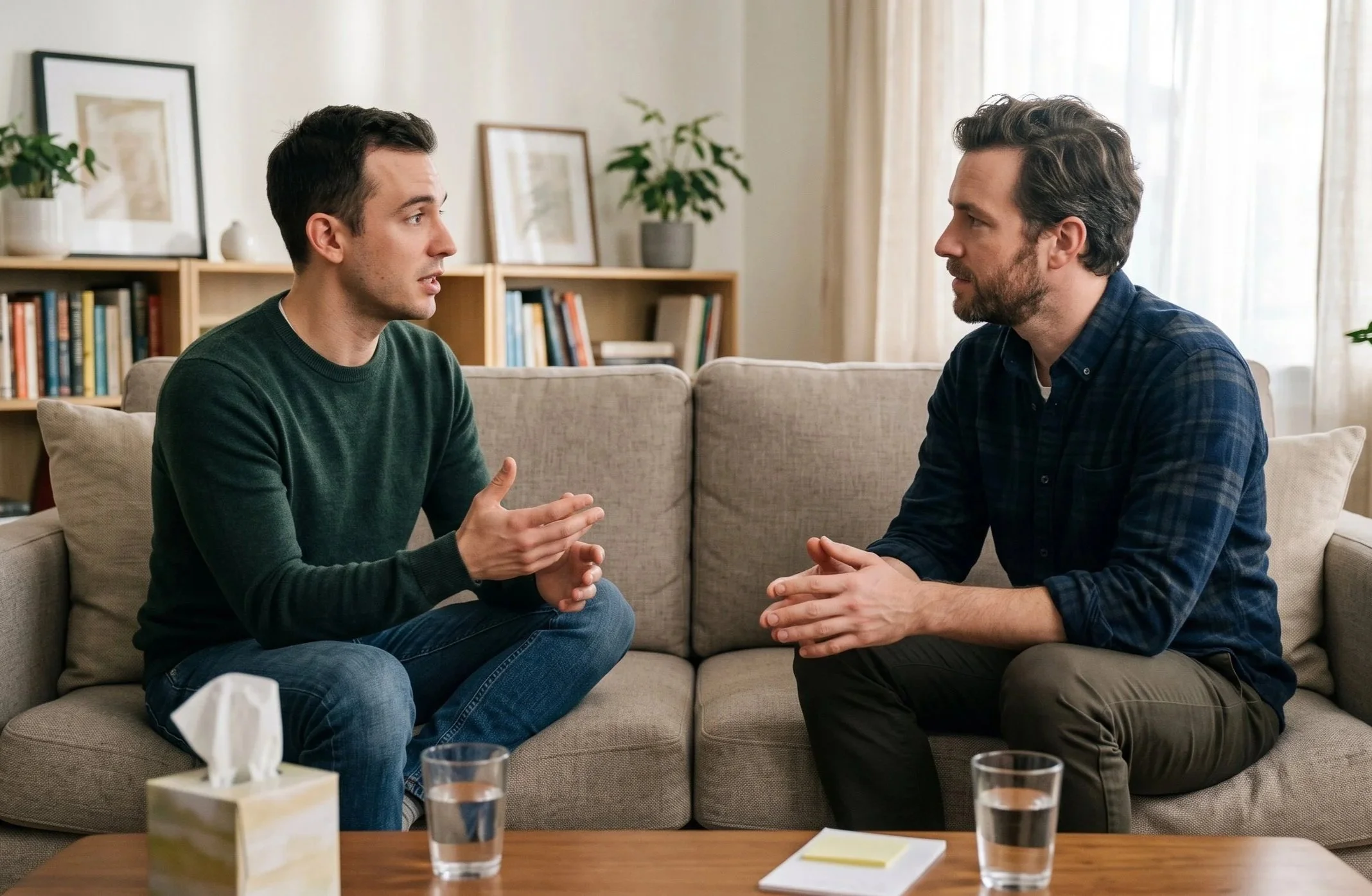
Research-Based Approach to Couples Therapy
Many couples want therapy that feels structured and skill-focused, not repetitive. An evidence-based approach means the methods used in your care, Gottman Method Couples Therapy and Emotionally Focused Couples Therapy (EFT), are informed by research on real-world couples and have been studied in clinical research. Results vary from couple to couple.
How The Process Works
Structured Assessment: We begin with a clinical assessment to identify your relationship strengths, attachment patterns, and areas of vulnerability before choosing interventions.
Understanding Conflict Patterns: Rather than only discussing the problems, we look at the emotional and physiological patterns, such as emotional flooding and defensive reactions, that can fuel conflict that leads to gridlock.
Solvable and Perpetual Issues: Gottman's research reports that many relationship conflicts, about 69% in his research, are perpetual, meaning they stem from lasting differences in personality or values. Evidence-based therapy can help couples practice talking about ongoing differences constructively, with the goal of reducing resentment and gridlock.
Gottman Method Couples Therapy
The Gottman Method is a structured approach to couples therapy developed by Drs. John and Julie Gottman, based on research that observed how couples interact. It uses a model called the Sound Relationship House, which describes the building blocks of a relationship: friendship, conflict, shared meaning, and the trust and commitment that support them. Therapy begins with an assessment of your relationship that include joint sessions, individual sessions, and potential questionnaires, which helps us decide where to focus. Sessions are practical and skill-based, with ideas to try between meetings. Key focus areas include:
Friendship: Building Love Maps, sharing fondness and admiration, and turning toward your partner’s bids for connection.
Conflict: Developing a positive perspective, recognizing the “Four Horsemen,” and practicing alternatives such as gentle startups and self-soothing.
Shared Meaning: Exploring life dreams, rituals, and values, and what gives your life together meaning.
Trust and Commitment: Exploring what trust and commitment mean to each partner and how they show up in daily life.
Emotionally Focused Therapy (EFT) is a structured, attachment-based approach to couples therapy developed by Dr. Sue Johnson. It looks at relationship distress through the lens of attachment: the need to feel emotionally connected, safe, and able to rely on your partner. Therapy usually moves through three stages: understanding the negative cycle you get caught in, exploring the emotions and needs underneath it, and practicing new ways of responding to each other. Therapy begins with joint session and individual sessions. Sessions are guided conversations in which partners speak with each other, with support from the therapist. Key focus areas include:
Negative Cycle: Identifying the automatic “dance” your relationship falls into under stress, such as the pursuer-distancer pattern, where one partner pushes for connection while the other withdraws to self-protect.
Underlying Emotions and Needs: Looking beneath reactions like anger, frustration, or numbness to identify and express core vulnerabilities, such as the need to feel safe, valued, and emotionally secure.
Attachment Injuries and Betrayal: Processing painful ruptures, such as infidelity, broken trust, or moments of intense emotional abandonment, at a pace that fits both partners.
Secure Connection: Guiding new emotional experiences in session, with the aim of helping partners turn toward each other for comfort and support.